
 Destination Guide 2026
Study in Canada
Home to top-ranked universities, affordable tuition, and clear pathways to permanent residency (PR). Plan your study abroad journey for the 2026 intakes with Inphase Global.
What Makes Canada a Top Study Destination?
Why Do Indian Students Choose Canada?
Canada is known for its world-class education system, multicultural society, and welcoming immigration policies. It offers high-quality education at affordable tuition rates, numerous scholarship opportunities, and excellent post-study work options. Students also benefit from a safe environment, high standard of living, and clear pathways to permanent residency, making it one of the most sought-after destinations for international students going abroad in 2026.
3 Universities in Top 50 Globally
Institutions like the University of Toronto, UBC, and McGill University consistently rank among the top 50 in the QS World University Rankings, offering globally recognized degrees.
Post-Graduation Work Permit (PGWP)
Graduates can apply for a PGWP, allowing them to work in Canada for up to 3 years after completing their studies, providing crucial Canadian work experience.
Affordable Education & Scholarships
Compared to the US, UK, and Australia, Canada offers highly competitive tuition fees. Students can also apply for various government and university-specific financial aids.
Pathway to Permanent Residency
Canada offers clear and accessible immigration pathways like Express Entry and Provincial Nominee Programs (PNP) for international graduates seeking PR.
24 Hours/Week Part-Time Work
International students can work up to 24 hours per week off-campus during academic sessions and full-time during scheduled breaks, helping them gain experience and support themselves.
Safe & Multicultural Society
Known for its politeness and diversity, Canada is one of the safest countries in the world. It embraces multiculturalism, ensuring a welcoming environment for all nationalities.
Top Universities in Canada
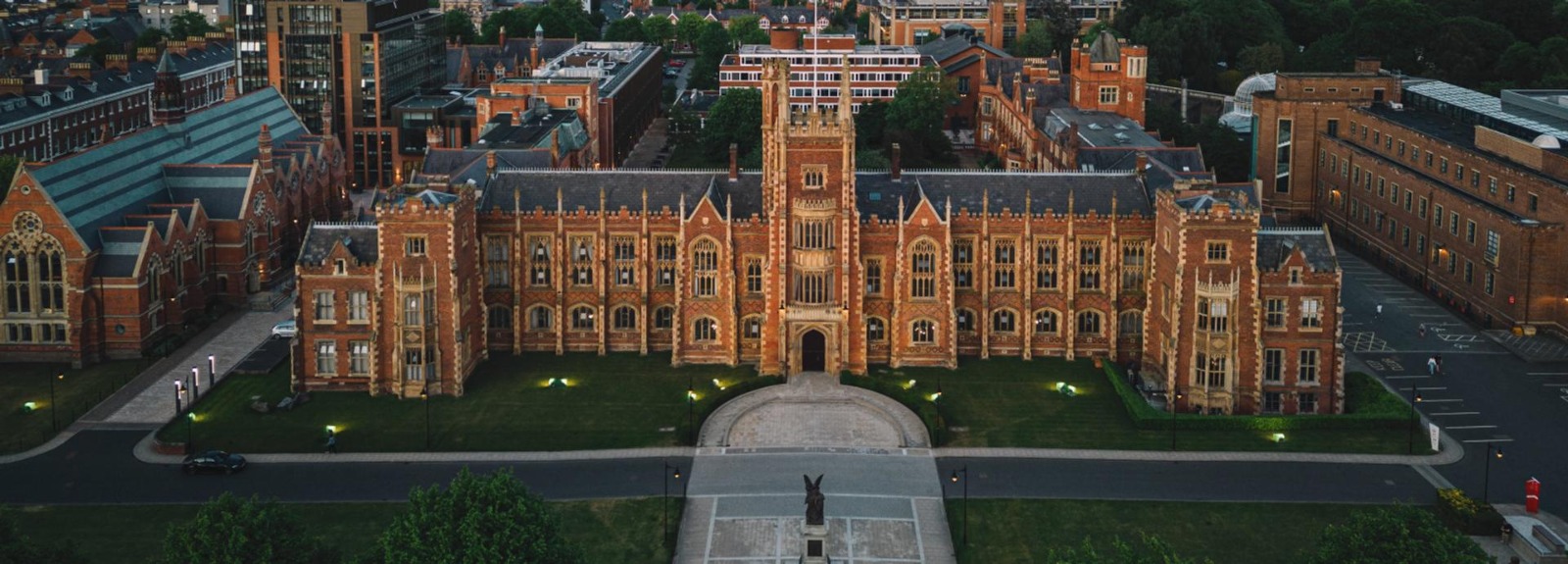
Explore Canada's leading universities known for academic excellence, research output, and high graduate employability.




Cost of Studying in Canada
Understanding the costs upfront helps you plan your budget accurately. Below is a breakdown of typical expenses for Indian students pursuing higher education in Canada.
Tuition Fees (Annual)
Living Expenses (Annual)
Minimum Financial Requirement
For applications made on or after 1 September 2026, Immigration, Refugees and Citizenship Canada (IRCC) requires a single applicant studying outside Quebec to show CAD $23,448 for living costs, plus first-year tuition and travel. Most students show this with a Guaranteed Investment Certificate (GIC).
Study Permit — Complete Guide
The Canadian Study Permit allows you to study in Canada at a Designated Learning Institution (DLI). Here's everything you need to know about requirements, processing, and post-visa rules.
Visa Application Fee
Base application charge for the study permit. Additional fees apply for biometrics.
Processing Time
Study permit processing times change often and depend on where you apply from. Check IRCC's official processing-times tool for India before you book travel, and apply as soon as you have your acceptance letter and PAL/TAL.
Your Step-by-Step Journey to a Canadian Study Permit
Applying for a Canadian study permit requires careful preparation and attention to detail. From securing your Letter of Acceptance (LOA) to arranging your Guaranteed Investment Certificate (GIC), being thoroughly prepared is the key to a smooth application process. Ensure you meet all the criteria set by Immigration, Refugees and Citizenship Canada (IRCC) to maximize your chances of approval.
Hover over the panels on the right to reveal the detailed steps. Each step provides crucial information to guide you seamlessly through the application journey, ensuring you have everything you need for a successful submission.
1Key Requirements
LOA: Letter of Acceptance.
Financial Capacity: GIC + Tuition.
English Proficiency: IELTS 6.0 overall.
Medical Exam: Upfront medical.
Police Certificate: Clear background.
2Who Can Apply?
DLI Enrollment: Designated Institution.
Genuine Student: Intent to study.
Financial Resources: Sufficient funds.
No Criminal Record: Law-abiding citizen.
Good Health: Medical exam passed.
3Documents Required
Valid Passport
Letter of Acceptance (LOA)
Proof of Funds (GIC + Tuition)
Language Test Results
Statement of Purpose
Medical & Police Certificates
4Processing Time
SDS ended in November 2024; all students use the regular stream.
Complete application to avoid delays.
Biometrics collection required.
Track online via IRCC account.
5Post-Visa Requirements
Maintain enrolment and progress.
Comply with 24h/week work limit.
Apply for PGWP after graduation.
Explore PR via Express Entry/PNP.
6How to Apply
Choose Course & DLI.
Pay Tuition & GIC.
Medical & Biometrics.
Submit Visa via IRCC portal.
Passport Request (PPR).
Receive Visa & Fly.
Frequently Asked Questions
Last reviewed: November 2026
What are the main intakes for Canadian universities?
+
Canadian institutions offer three intakes: Fall (September), the main intake with the most programs; Winter (January), a smaller intake; and Summer (May), with limited programs. Apply 8–12 months before your start date, as study permit numbers are capped.
Can I work while studying in Canada?
+
Yes. Eligible study permit holders can work up to 24 hours per week off campus during academic sessions and full-time during scheduled breaks, without a separate work permit. On-campus work has no weekly cap. Since April 2026, post-secondary students no longer need a separate co-op work permit for required work placements.
Is the SDS (Student Direct Stream) still available?
+
No. Canada ended the Student Direct Stream on 8 November 2024. All Indian students now apply through the regular study permit stream, where a Guaranteed Investment Certificate (GIC) is still accepted as proof of funds.
What scholarships are available for Indian students in Canada?
+
Options include university merit scholarships such as the Lester B. Pearson International Scholarship at the University of Toronto and the UBC Outstanding International Student Award, entrance scholarships offered automatically by many colleges and universities, and Vanier Canada Graduate Scholarships for doctoral students.
How much money do I need to show for a Canada study permit?
+
For applications made on or after 1 September 2026, a single applicant studying outside Quebec must show CAD 23,448 for living costs, plus first-year tuition and travel costs. Many students show the living-cost amount through a GIC, which is paid back to you in instalments after you arrive. Quebec sets its own, higher amount.
Can I get Permanent Residency (PR) after studying in Canada?
+
Yes. Eligible graduates can apply for a Post-Graduation Work Permit (PGWP) to gain Canadian work experience, which strengthens an Express Entry profile. Provincial Nominee Programs (PNPs) also have streams for international graduates.