
 Destination Guide 2026
Study in United Kingdom
Home to historic institutions like Oxford and Cambridge, offering globally respected degrees. Plan your study abroad journey for the 2026 intakes and make shifting abroad seamless with Inphase Global.
What Makes UK a Top Study Destination?
Why Do Indian Students Choose UK?
The UK is home to some of the world's oldest and most prestigious universities. It offers shorter, intensive degree programs (3 years for Bachelor's, 1 year for Master's), saving time and money. Students also benefit from access to free healthcare (NHS) and a Graduate Route visa (2 years, or 18 months for applications from 1 January 2027) to work or look for work after graduation going abroad in 2026.
4 of Top 10 Universities Globally
Institutions like Oxford, Cambridge, Imperial, and UCL consistently rank in the global top 10, offering degrees that are respected and recognized worldwide.
2-Year Graduate Route Visa
Graduates with a valid Student Visa can stay and work, or look for work, in the UK for 2 years (3 years for PhD graduates) after completing their degree.
Shorter Course Duration
UK Bachelor's degrees are typically 3 years, and Master's degrees are 1 year, making it a highly time-efficient and cost-effective destination.
Free Healthcare (NHS)
Students paying the Immigration Health Surcharge (IHS) get full access to the National Health Service (NHS) for free medical treatment during their stay.
20 Hours/Week Part-Time Work
Students can work up to 20 hours per week during term time and full-time during holidays to support themselves and gain valuable work experience.
Cultural & Historical Hub
Studying in the UK offers a chance to explore rich history, diverse multicultural cities, and easy access to Europe, providing a truly global experience.
Top Universities in UK
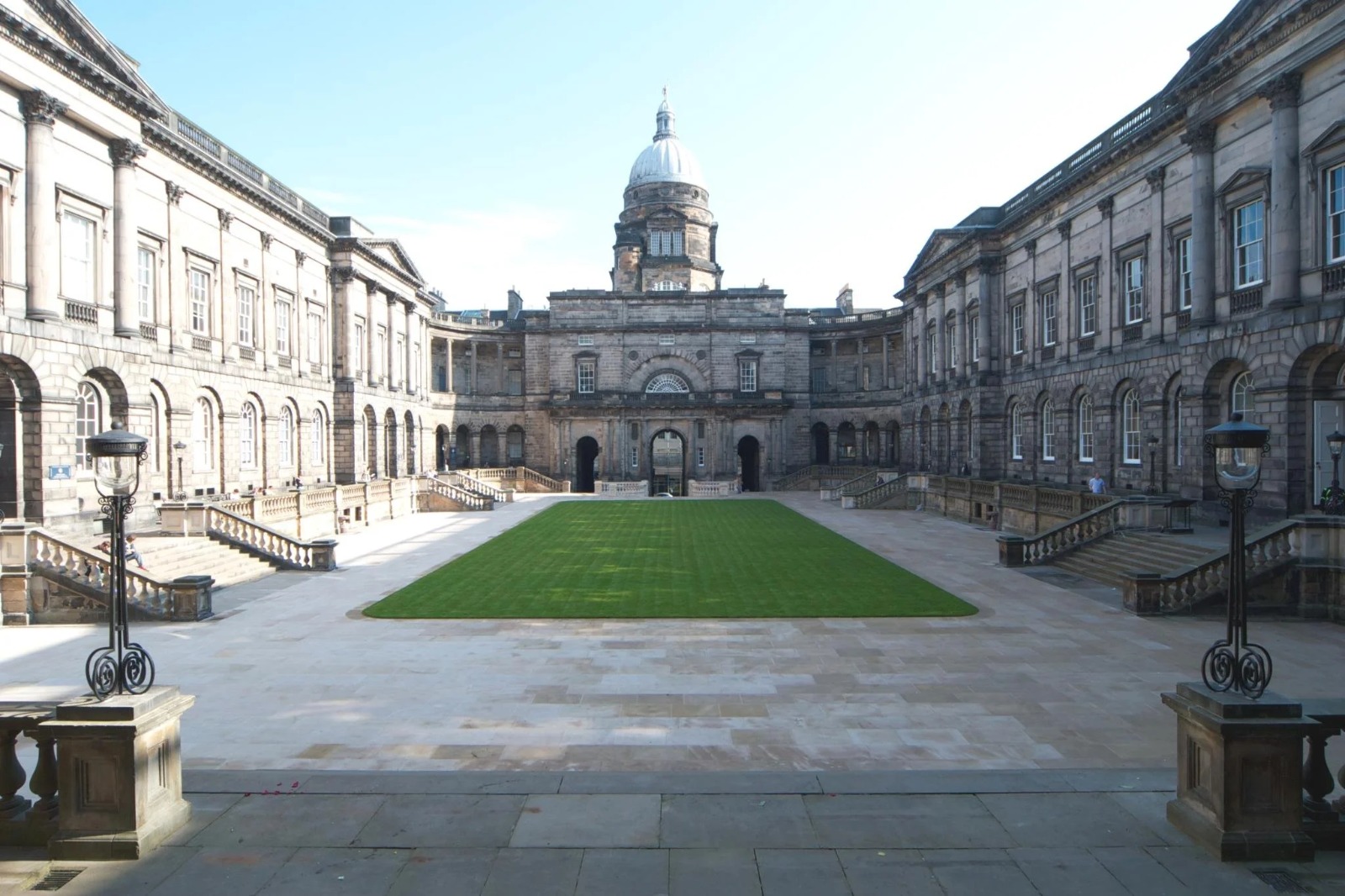
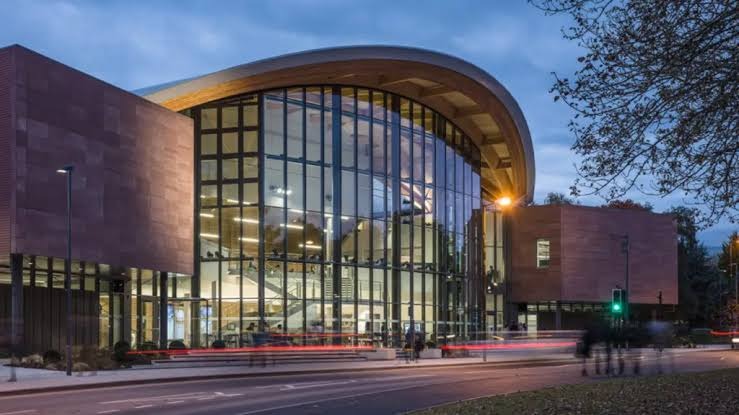
Explore the UK's most prestigious universities, known for their academic excellence, historic campuses, and global alumni networks.






Cost of Studying in UK
Understanding the costs upfront helps you plan your budget accurately. Below is a breakdown of typical expenses for Indian students pursuing higher education in the UK.
Tuition Fees (Annual)
Living Expenses (Annual)
Minimum Financial Requirement
UK Visas and Immigration (UKVI) requires proof of funds for living expenses: £1,334 per month (for up to 9 months) if studying in London, and £1,023 per month if studying outside London, in addition to your first-year tuition fees, to ensure you can comfortably support yourself while studying in the UK.
UK Student Visa — Complete Guide
The UK Student Visa allows you to study in the UK at a licensed Student Sponsor. Here's everything you need to know about requirements, processing, and post-visa rules.
Visa Application Fee
Base application charge for the Student Visa. An additional Immigration Health Surcharge (IHS) of £470/year is mandatory.
Processing Time
Your Step-by-Step Journey to a UK Student Visa
Applying for a UK student visa requires careful preparation and attention to detail. From securing your CAS (Confirmation of Acceptance for Studies) to paying the IHS fee and attending your biometrics appointment, being thoroughly prepared is the key to a smooth application process. Ensure you meet all the criteria set by UK Visas and Immigration (UKVI) to maximize your chances of approval.
Hover over the panels on the right to reveal the detailed steps. Each step provides crucial information to guide you seamlessly through the application journey, ensuring you have everything you need for a successful submission.
1Key Requirements
CAS: From licensed sponsor.
Financial Capacity: 1st yr + 9 months living.
English Proficiency: IELTS/TOEFL.
IHS Fee: £470/year.
Valid Passport: Full duration.
2Who Can Apply?
Student Sponsor: Licensed uni.
Genuine Student: Intent to study.
Financial Resources: 28 days funds.
Academic Criteria: Met progression.
ATAS Certificate: For STEM PhDs.
3Documents Required
Valid Passport
CAS Reference Number
Proof of Funds (28 days)
TB Test Certificate
Academic Transcripts
Visa Application Form
4Processing Time
Standard: 3 weeks.
Priority: 5 working days.
Super Priority: Next day.
Apply 3 months early.
5Post-Visa Requirements
Collect BRP within 10 days.
Maintain full-time enrolment.
Work limit: 20h/week.
Apply for Graduate Route Visa.
6How to Apply
Get Admission & CAS.
Pay IHS & Visa Fee.
Complete Online Form.
Book Biometrics Appointment.
Wait for Decision.
Receive Visa & Fly.
Frequently Asked Questions
Last reviewed: November 2026
What are the main intakes for UK universities?
+
UK universities have two main intakes: September/October, with all programs available, and January/February, a smaller intake. Apply 6–9 months before your start date.
Can I work while studying in the UK?
+
Yes. Students on a degree-level Student visa can work up to 20 hours per week during term time and full-time during official vacations. Work placements that are part of your course are also allowed.
What is the Graduate Route visa?
+
The Graduate Route lets you stay and work in the UK after your degree without a job offer. Applications made before 1 January 2027 get 2 years; applications made on or after 1 January 2027 get 18 months. PhD graduates get 3 years.
What is a CAS (Confirmation of Acceptance for Studies)?
+
A CAS is an electronic document from your university, as your visa sponsor, confirming that you have been offered a place on a specific course. Its unique reference number is required for your Student visa application.
Are there scholarships for Indian students in the UK?
+
Yes. Popular options include Chevening Scholarships (fully funded by the UK government), Commonwealth Scholarships, GREAT Scholarships for Indian students, and university merit scholarships.
Can I get Permanent Residency (PR) in the UK after studies?
+
It is a long-term process. Graduates usually move from the Graduate Route to a Skilled Worker visa with a sponsoring employer. Indefinite Leave to Remain (ILR) has required 5 years on the Skilled Worker route, but the UK government has proposed extending the standard qualifying period to 10 years, so check the current rules before planning.