 Destination Guide 2026
Study in USA
Home to the Ivy League, cutting-edge research, and unparalleled global career opportunities. Plan your study abroad journey for the 2026 intakes and make shifting abroad seamless with Inphase Global.
What Makes USA a Top Study Destination?
Why Do Indian Students Choose USA?
The USA is the global leader in higher education, home to the majority of the world's top-ranked universities. It offers unparalleled academic flexibility, cutting-edge research facilities, and a diverse multicultural environment. Students benefit from extensive post-study work opportunities through OPT and CPT, high ROI, and access to global tech and business hubs going abroad in 2026.
Most Top-Ranked Universities Globally
The US dominates global rankings like QS and THE, with institutions like MIT, Harvard, and Stanford offering world-class degrees recognized universally.
OPT & STEM OPT Extensions
F-1 students can work for 1 year post-graduation via Optional Practical Training (OPT). STEM graduates can extend this for 2 more years, totaling 3 years of work rights.
Academic Flexibility
The US education system allows students to explore various subjects in their first two years before declaring a major, promoting a well-rounded academic profile.
High ROI & Global Careers
A US degree opens doors to lucrative career opportunities in Silicon Valley, Wall Street, and Fortune 500 companies, offering some of the highest starting salaries globally.
On-Campus Work & CPT
Students can work up to 20 hours/week on-campus during studies and pursue Curricular Practical Training (CPT) for internships integral to their curriculum.
Cutting-Edge Research
US universities are hubs of innovation, heavily funded by government and private sectors, offering graduate students access to state-of-the-art labs and research grants.
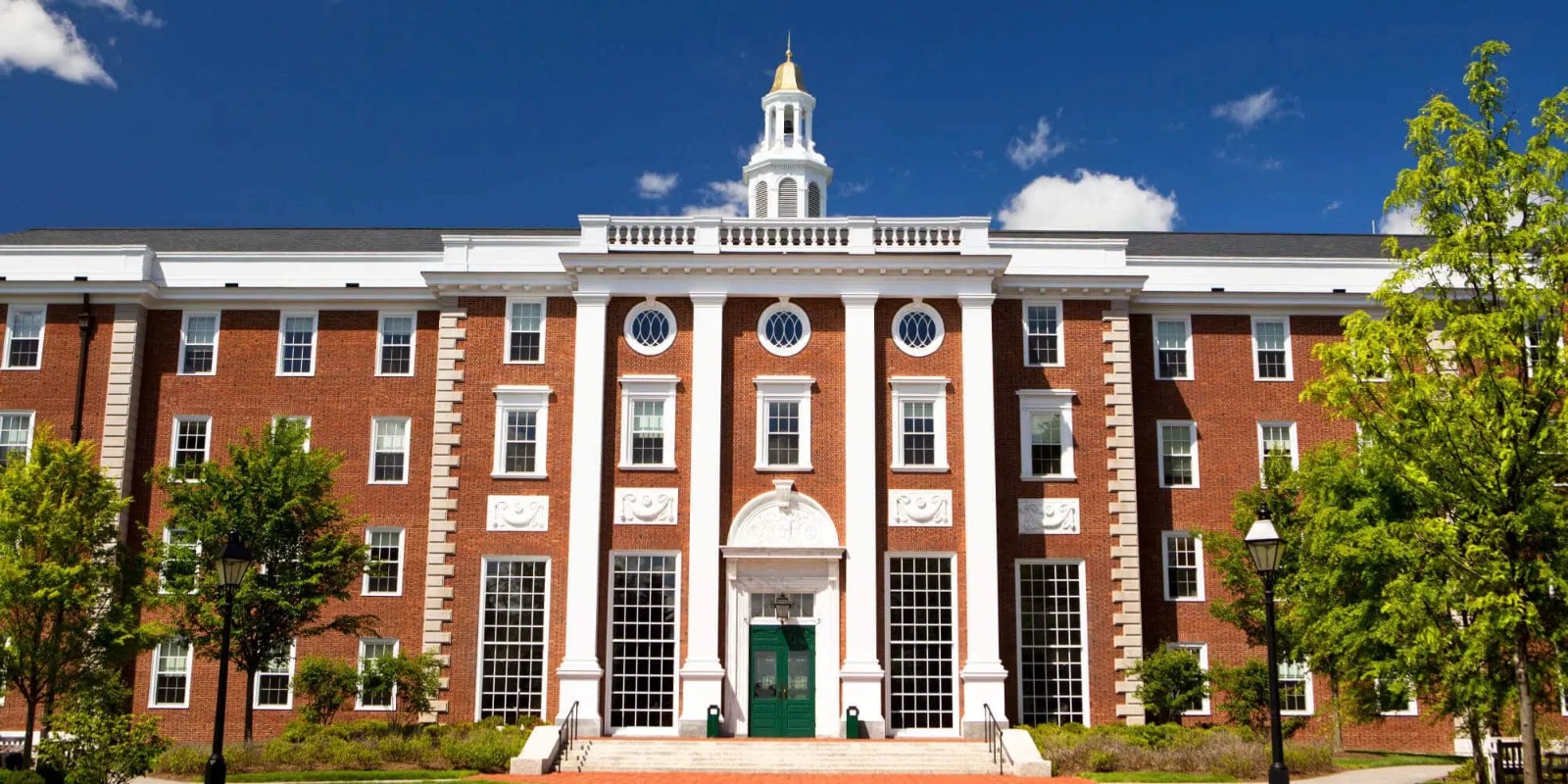
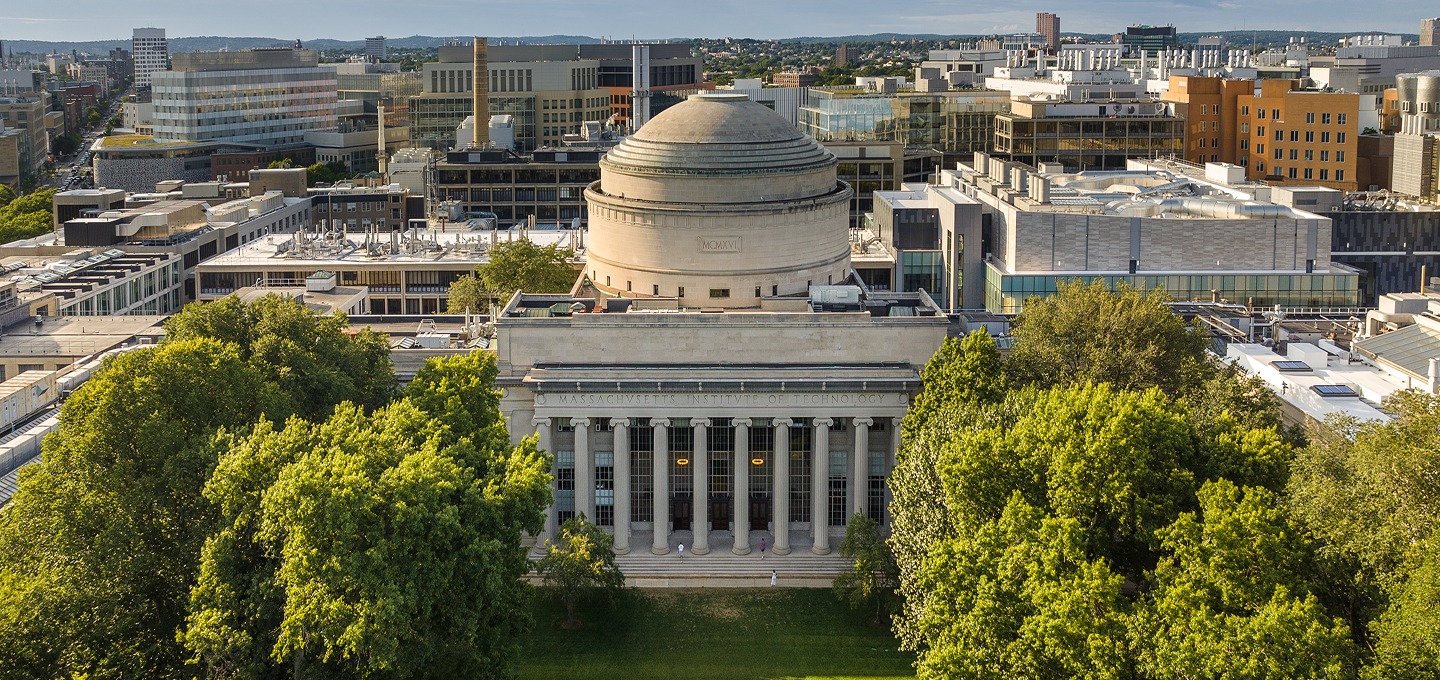
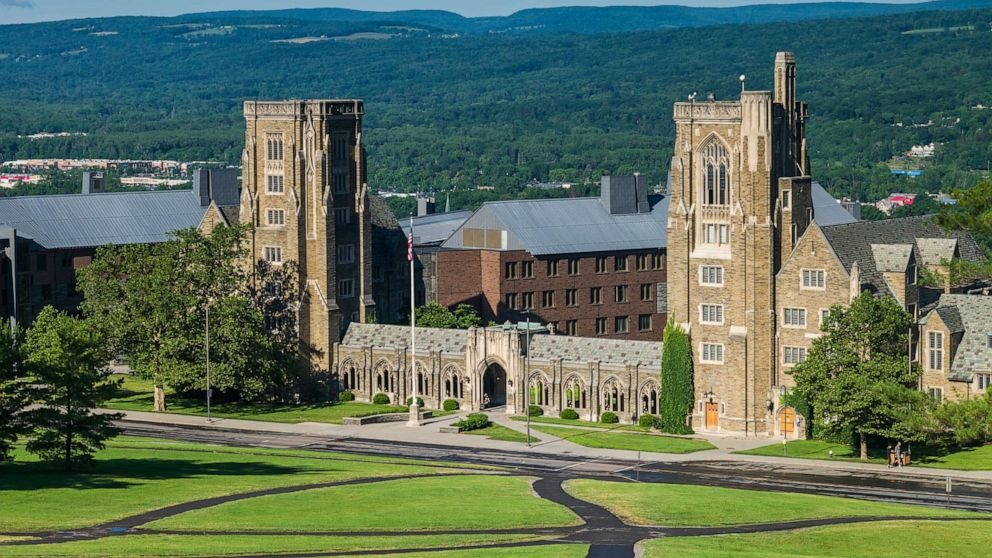
Top Universities in USA
These institutions are globally renowned for their academic rigor, research output, and distinguished alumni networks.




Cost of Studying in USA
Understanding the costs upfront helps you plan your budget accurately. Below is a breakdown of typical expenses for Indian students pursuing higher education in the USA.
Tuition Fees (Annual)
Living Expenses (Annual)
I-20 Financial Requirement
To obtain your Form I-20, US universities require proof of financial support for the first year of tuition plus living expenses. This typically amounts to USD $30,000 to $60,000, depending on the institution, and must be shown via bank statements or affidavits of support to ensure you can comfortably cover your educational costs.
F-1 Student Visa — Complete Guide
The F-1 Visa is the most common visa for international students studying in the US. Here's everything you need to know about requirements, processing, and post-visa rules.
Visa Application Fee
Base application charge (DS-160). Additional SEVIS I-901 fee of $350 is mandatory before visa interview.
Processing Time
Your Step-by-Step Journey to an F-1 Student Visa
Applying for a US student visa requires careful preparation and attention to detail. From securing your university admission and Form I-20 to paying the SEVIS fee and acing your visa interview, being thoroughly prepared is the key to a smooth application process. Ensure you meet all the criteria set by the US Embassy to maximize your chances of approval.
Hover over the panels on the right to reveal the detailed steps. Each step provides crucial information to guide you seamlessly through the application journey, ensuring you have everything you need for a successful submission.
1Key Requirements
Form I-20: From US institution.
Financial Capacity: 1st year funds.
Strong Ties: Intent to return home.
SEVIS Fee: $350 payment.
Valid Passport: 6 months validity.
2Who Can Apply?
SEVP Institution: Certified school.
Bona Fide Student: Full course of study.
English Proficiency: IELTS/TOEFL.
Sufficient Funds: Tuition & living.
Intent to Return: Strong ties.
3Documents Required
Valid Passport
Form I-20
DS-160 Confirmation
SEVIS I-901 Receipt
Financial Documents
Academic Transcripts
4Processing Time
Depends on Embassy wait times.
Administrative processing possible.
Complete application to avoid delays.
Passport return in 3-5 days if approved.
5Post-Visa Requirements
Maintain full-time enrollment.
Limit on-campus work to 20h/week.
Report to DSO upon arrival.
Apply for OPT after 1 year.
6How to Apply
Get Admission & I-20.
Pay SEVIS Fee ($350).
Complete DS-160 form.
Schedule Visa Interview.
Attend Interview.
Receive Visa & Fly.
Frequently Asked Questions
Last reviewed: November 2026
What are the main intakes for US universities?
+
US universities have two main intakes: Fall (August/September), with the most programs and funding, and Spring (January), a smaller intake. A few institutions offer a Summer intake. Apply 8–12 months in advance.
Can I work while studying in the US on an F-1 visa?
+
Yes, with limits. F-1 students can work up to 20 hours per week on campus during semesters and full-time during breaks. Off-campus work needs authorization through Curricular Practical Training (CPT) during studies or Optional Practical Training (OPT).
What is the difference between OPT and CPT?
+
CPT is off-campus work, such as an internship, that is a required part of your curriculum while you study. OPT is temporary work in your field, usually after graduation, for up to 12 months, with a 24-month extension for eligible STEM degrees.
Is GRE/GMAT mandatory for studying in the US?
+
Not always. Many US universities have made the GRE or GMAT optional for some programs, but competitive programs and top universities often still expect or recommend a strong score. Check each program's requirements.
What scholarships are available for Indian students in the US?
+
Options include Fulbright-Nehru Master’s Fellowships, university merit scholarships, and teaching and research assistantships that can cover tuition and pay a stipend, especially for master's and PhD students.
Can I stay in the US after my studies?
+
Yes, through OPT: 12 months of work, or up to 3 years in total for eligible STEM graduates. An employer can then sponsor you for an H-1B work visa. Green Card sponsorship is usually employer-based (EB-2 or EB-3).