 Destination Guide 2026
Study in Germany
Home to world-class engineering programs, low-tuition public universities, and a robust economy at the heart of Europe. Plan your study abroad journey for the 2026 intakes and make shifting abroad seamless with Inphase Global.
What Makes Germany a Top Study Destination?
Why Do Indian Students Choose Germany?
Germany is a global leader in engineering, technology, and research. It offers world-class education with little to no tuition fees at public universities, a strong economy with immense career prospects, and a high standard of living. Students also benefit from the 18-month post-study work visa and access to the European Union job market when going abroad in 2026.
Low/No Tuition Fees
Public universities in Germany charge little to no tuition fees for international students, making it one of the most affordable study destinations globally.
18-Month Post-Study Work Visa
Graduates are allowed to stay in Germany for 18 months after completing their degree to seek employment related to their field of study.
Engineering & Research Hub
Known for its automotive, mechanical, and industrial engineering sectors, Germany offers unmatched opportunities for research and practical training.
EU Blue Card Eligibility
After securing a job, graduates can easily transition to an EU Blue Card, paving the way for permanent residency in a few years.
140 Full Days of Part-Time Work
Students can work 140 full days or 280 half days in a year, allowing them to gain work experience and support their living expenses.
DAAD Scholarships
The German Academic Exchange Service (DAAD) offers numerous fully-funded scholarships for international students across all degree levels.
Top Universities in Germany
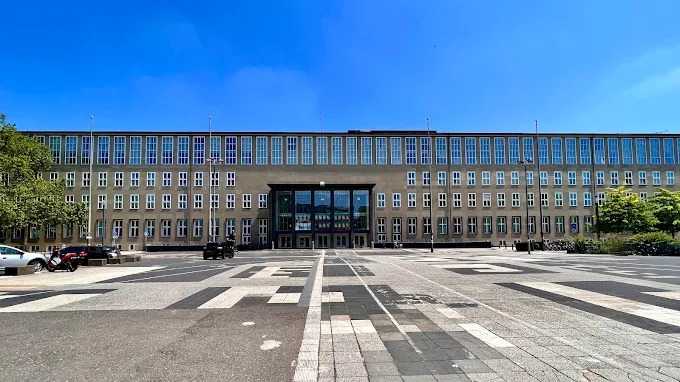
Explore Germany's leading technical universities (TU) and research institutes renowned for their academic excellence and industry connections.



Cost of Studying in Germany
Understanding the costs upfront helps you plan your budget accurately. Below is a breakdown of typical expenses for Indian students pursuing higher education in Germany.
Tuition Fees (Annual)
Living Expenses (Annual)
Blocked Account Requirement
To obtain a German Student Visa, you must open a Blocked Account (Sperrkonto) with a minimum balance of EUR €11,904 (2026) to prove you can cover your living expenses for the first year. A restricted monthly amount (currently €992) is released to you for your expenses once you arrive in Germany.
German Student Visa — Complete Guide
The German Student Visa allows you to enter Germany to study at a recognized university. Here's everything you need to know about requirements, processing, and post-visa rules.
Visa Application Fee
Base application charge for the Student Visa. Additional courier or APS fees may apply.
Processing Time
Your Step-by-Step Journey to a German Student Visa
Applying for a German student visa requires careful preparation and attention to detail. From securing your university admission letter and opening a Blocked Account to obtaining your APS Certificate and health insurance, being thoroughly prepared is the key to a smooth application process. Ensure you meet all the criteria set by the German Embassy to maximize your chances of approval.
Hover over the panels on the right to reveal the detailed steps. Each step provides crucial information to guide you seamlessly through the application journey, ensuring you have everything you need for a successful submission.
1Key Requirements
Admission Letter: From German Uni.
Blocked Account: €11,904.
Health Insurance: Mandatory.
APS Certificate: For Indian students.
Valid Passport: 3 months validity.
2Who Can Apply?
Admission: University or Studienkolleg.
Genuine Student: Full course of study.
Financial Resources: Blocked account.
Language Proficiency: IELTS/TestDaF.
Intent to Return: Initial requirement.
3Documents Required
Valid Passport
Admission Letter
Blocked Account Proof
APS Certificate
Health Insurance
Academic Transcripts
4Processing Time
Typically 4-8 weeks.
APS takes 2-4 weeks separately.
Complete application to avoid delays.
Depends on Embassy appointment availability.
5Post-Visa Requirements
Register Address (Anmeldung).
Apply for Residence Permit.
Work limit: 140 full/280 half days.
Activate Blocked Account.
6How to Apply
Get Admission & APS.
Open Blocked Account (€11,904).
Get Health Insurance.
Schedule Visa Interview.
Attend Interview.
Receive Visa & Fly.
Frequently Asked Questions
Last reviewed: November 2026
What are the main intakes for German universities?
+
German universities have two intakes: Winter semester (October), with most programs, and Summer semester (April), a smaller intake. Common deadlines are 15 July for winter and 15 January for summer, but check each university, as many international programs close earlier.
Can I work while studying in Germany?
+
Yes. Non-EU students can work 140 full days or 280 half days per year (up from 120/240 since March 2024). Jobs as a student assistant (HiWi) at the university usually do not count towards this limit.
What is a Blocked Account (Sperrkonto)?
+
A blocked account is a German bank account that proves you can cover your living costs. For 2026 the required amount is €11,904 for one year, and you can withdraw €992 per month after you arrive.
Do I need to know German to study in Germany?
+
Not necessarily. Many master's and some bachelor's programs are taught entirely in English and need only IELTS or TOEFL. Learning German to at least A2/B1 level is still strongly recommended for daily life, part-time jobs and post-study careers.
What is APS and why is it required?
+
The APS (Akademische Prüfstelle) certificate verifies your academic documents. It is mandatory for Indian students applying to German universities and is needed for both the university application and the student visa.
Can I stay in Germany after my studies?
+
Yes. Graduates can get an 18-month residence permit to look for a job related to their qualification. Once employed, you can switch to an EU Blue Card or a work residence permit, which can lead to permanent residence.